

The Branscombe Project

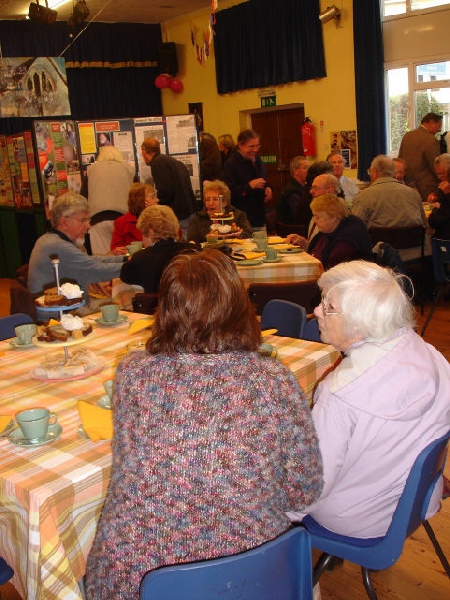
Talks & Events
Talks usually take place in Branscombe Village Hall and start at 19:30.
Everyone is welcome, entrance is free -
(Click on the posters and events to zoom and read more)
The Branscombe Project began in 1992. A group of people, some of whom had lived all their lives in Branscombe, others relative newcomers, decided they wanted to find out more about their village and the wider landscape.
The time-
We have taped nearly 200 interviews, dug in the archives and in the ground, and walked the landscape. People have lent us photographs, documents, postcards and objects.
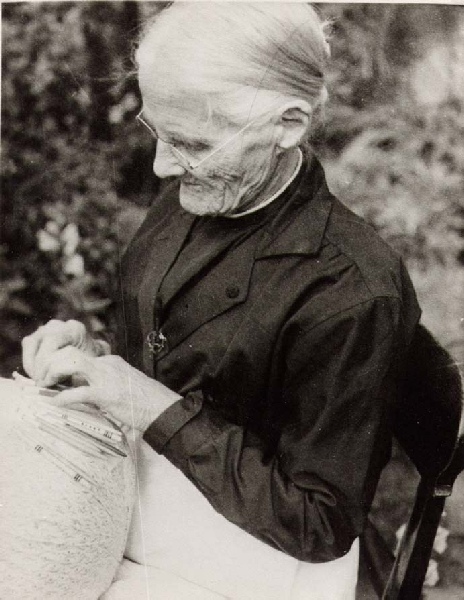
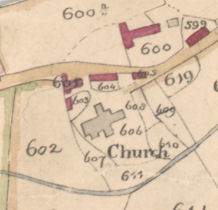
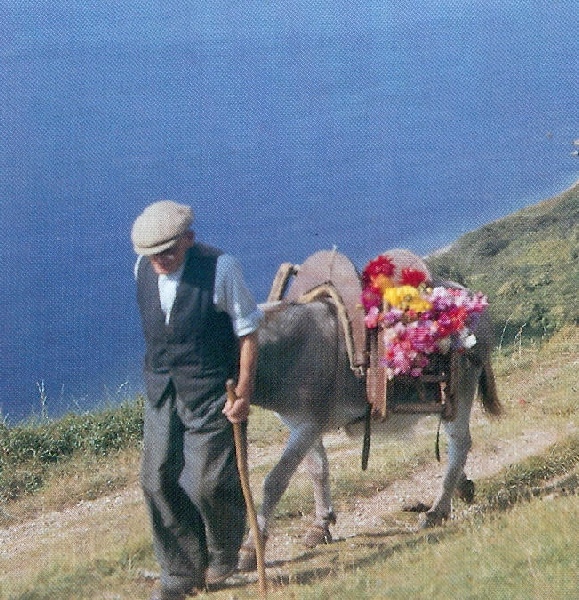
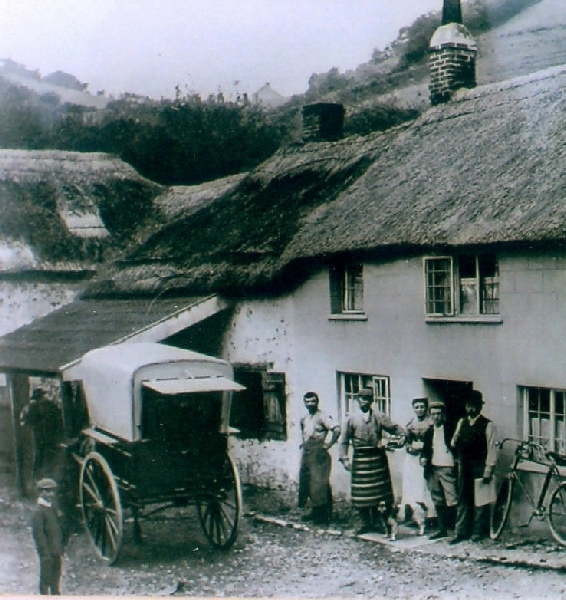
We put on biennial exhibitions, winter talks, documentary dramas and ‘disappeared houses’ walks. We have covered topics as diverse as Branscombe Ghosts, Maps, Farming, Cliff Plats, Orchards, Shops & Trades, the Churchyard, Lace Making, Smuggling, Outside Loos, Road History, School History, Hedgerow Dating, Archaeological Excavation & Field-
Our events and activities are open to all -
We want to make as much of our work available on this website as possible. We hope you’ll enjoy what’s here and find it useful.
NEWS
New Publications
30 Years of the Branscombe project
… a short book celebrating thirty years of the Branscombe project…
lots of pictures and only £5 …
will make an ideal Christmas present!
An Idyllic Childhood in Troubled Times
By Geoff Squire
The Burnt House at Weston: Winners & Losers in an 18th C Devon Landscape
By Barbara Farquharson & John Torrance
To read more about these books and to order please see the ‘Publications’ page here.


Memories of Branscombe Facebook page


Talking Heads
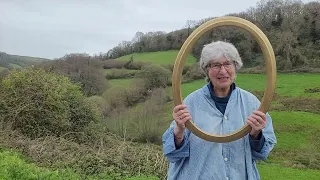
The Branscombe Project created a video, titles ‘Talking Heads’, as part of the East Devon AONB’s 60th anniversary celebrations in July 2023.
To view the video click on the above image


October 28th 2.30
MEET THE AUTHOR
Barbara Farquharson
The Burnt House at Weston
Winners and Losers in an Eighteenth-
The Sid Vale Association, Church Street, Sidmouth


| Archive Misc |
| Barbara Bender |
| Geoff Squire |
| John Torrance |
| Branscombe Parish Newsletter |
| Photographic Archive |
| Postcard Archive |
| Talks Page 1 |
| Talks Page 2 |
| Talks Page 3 |
| Talks Page 4 |
| Talks Page 5 |